
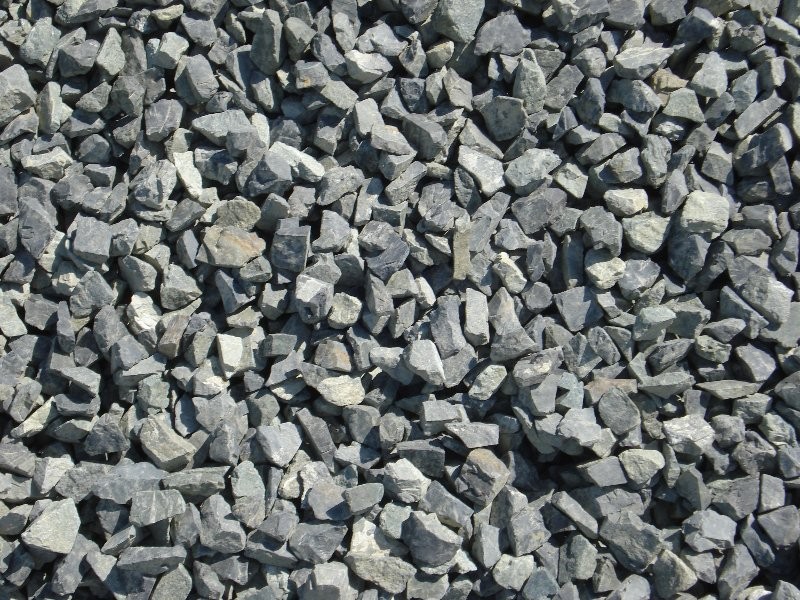
Aggregates are truly foundational. They make up 94% of asphalt pavement and 80% of concrete.
They are a vital component of our homes, from the concrete in the basement to the shingles on
the roof. They are the bedrock of our infrastructure – the roads, airports and waterworks that
fuel our lifestyle and economy.
“Aggregates” is a general term for rocks and minerals used in a variety of industries for a range
of purposes. Aggregate is classified by particle size and consistency. There are two basic types:
sand and gravel (sometimes called natural stone) and crushed stone. More recently a third type
of aggregate has emerged: recycled concrete aggregate, which is produced by crushing concrete
reclaimed from demolished highways, buildings and other structures.
Our construction aggregates are used in a number of ways.
As a base material underneath highways, walkways, airport runways, parking lots and railroads.
To aid in water filtration, purification and erosion control.
As a raw material used in combination with other resources to construct many of the items we
rely on to sustain our quality of life.
These include:
- Houses and apartments
- Roads & bridges
- Schools and hospitals
- Commercial buildings and retail space
- Airports and runways
- Shipyards